
Mastering AI Writing Generators for Blogs: A Step-by-Step Guide to Creating Engaging Content
Are you a blogger struggling to create high-quality, engaging content for your audience? Look no further. In this tutorial, we'll show you how to harness the power of AI writing generators to create blog posts in minutes. You'll learn how to use these innovative tools to streamline your writing process, overcome writer's block, and produce content that resonates with your readers. By the end of this guide, you'll be well on your way to becoming a proficient AI writing generator user, capable of creating compelling blog posts that drive traffic and boost engagement.
Step 1: Choosing the Right AI Writing Generator for Your Blog
With so many AI writing generators available, selecting the right one for your blog can be overwhelming. To make an informed decision, consider factors such as content type, tone, and style. For example, if you're a lifestyle blogger, you may want to opt for an AI writing generator that specializes in creative, conversational content. On the other hand, if you're a technical blogger, you may prefer an AI writing generator that excels at producing informative, data-driven content. Some popular AI writing generators for blogs include language translation tools, content optimization software, and automated writing assistants. 
Step 2: Understanding How AI Writing Generators Work
AI writing generators use natural language processing (NLP) and machine learning algorithms to generate human-like content. These tools analyze vast amounts of data, including blog posts, articles, and books, to learn patterns and structures of language. By understanding how AI writing generators work, you can harness their full potential and create high-quality content that resonates with your audience. For instance, you can use AI writing generators to generate ideas, outlines, and even entire drafts of your blog posts. 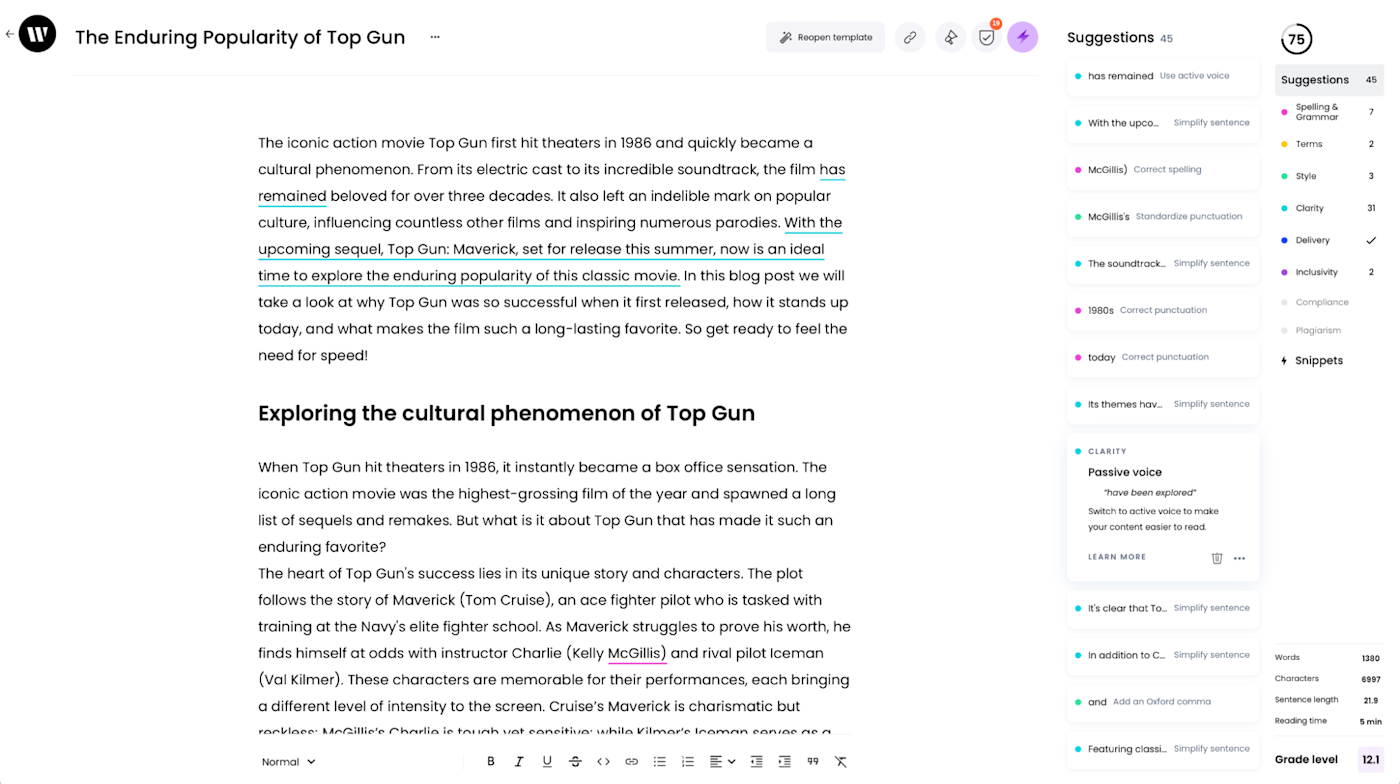
Step 3: Setting Up Your AI Writing Generator
Once you've chosen your AI writing generator, it's time to set it up. This typically involves creating an account, selecting a plan, and configuring your settings. Be sure to read the documentation carefully and explore the tool's features and capabilities. Some AI writing generators offer free trials or demos, which can be a great way to test the waters before committing to a paid plan. When setting up your AI writing generator, consider factors such as content length, tone, and style to ensure that the generated content meets your needs.
Step 4: Generating Content with Your AI Writing Generator
Now that you've set up your AI writing generator, it's time to start generating content. This typically involves inputting a topic, keyword, or prompt, and then selecting the desired content type and length. The AI writing generator will then produce a draft of your blog post, which you can review, edit, and refine as needed. Be sure to proofread your generated content carefully, as AI writing generators are not perfect and may produce errors or inconsistencies.
Step 5: Refining and Editing Your Generated Content
While AI writing generators can produce high-quality content, they're not perfect and may require refinement and editing. Be sure to review your generated content carefully, checking for errors, inconsistencies, and areas for improvement. You can also use this opportunity to add your own voice, tone, and style to the content, making it more engaging and relatable to your audience. Some AI writing generators offer built-in editing tools, such as grammar and spell checkers, which can help streamline the editing process.
Step 6: Optimizing Your Generated Content for SEO
Once you've refined and edited your generated content, it's time to optimize it for search engines. This involves selecting relevant keywords, meta descriptions, and optimizing images and other multimedia elements. By optimizing your generated content for SEO, you can increase its visibility, drive more traffic to your blog, and boost engagement. Some AI writing generators offer built-in SEO optimization tools, which can help simplify the process and ensure that your content is optimized for maximum visibility.
Step 7: Publishing and Promoting Your Generated Content
Finally, it's time to publish and promote your generated content. This involves uploading your content to your blog, social media, or other platforms, and then promoting it to your audience. Be sure to engage with your readers, respond to comments and feedback, and use analytics tools to track the performance of your generated content. By publishing and promoting your generated content effectively, you can increase its reach, drive more traffic to your blog, and boost engagement.
Frequently Asked Questions
Q: What is an AI writing generator, and how does it work?
A: An AI writing generator is a tool that uses natural language processing and machine learning algorithms to generate human-like content. It analyzes vast amounts of data to learn patterns and structures of language, and then uses this knowledge to produce high-quality content.
Q: Can I use an AI writing generator to create entire blog posts?
A: Yes, many AI writing generators can create entire blog posts, including introductions, body paragraphs, and conclusions. However, it's essential to review and edit the generated content carefully to ensure that it meets your standards and needs.
Q: Are AI writing generators perfect, or do they require editing and refinement?
A: AI writing generators are not perfect and may require editing and refinement. While they can produce high-quality content, they may also produce errors, inconsistencies, and areas for improvement. It's essential to review and edit the generated content carefully to ensure that it meets your standards and needs.
AI Writing Generator: The Future Of Content Marketing & SEO

AI Writing Generator: The Future of Content Marketing & SEO
Planning To Launch AI Writing Generator? Here’s Everything You Need To
Planning to Launch AI Writing Generator? Here’s Everything You Need to ...
What Is An Ai Writing Generator? Unlocking Its Potential | DigPart

What Is An Ai Writing Generator? Unlocking Its Potential | DigPart